Introduction
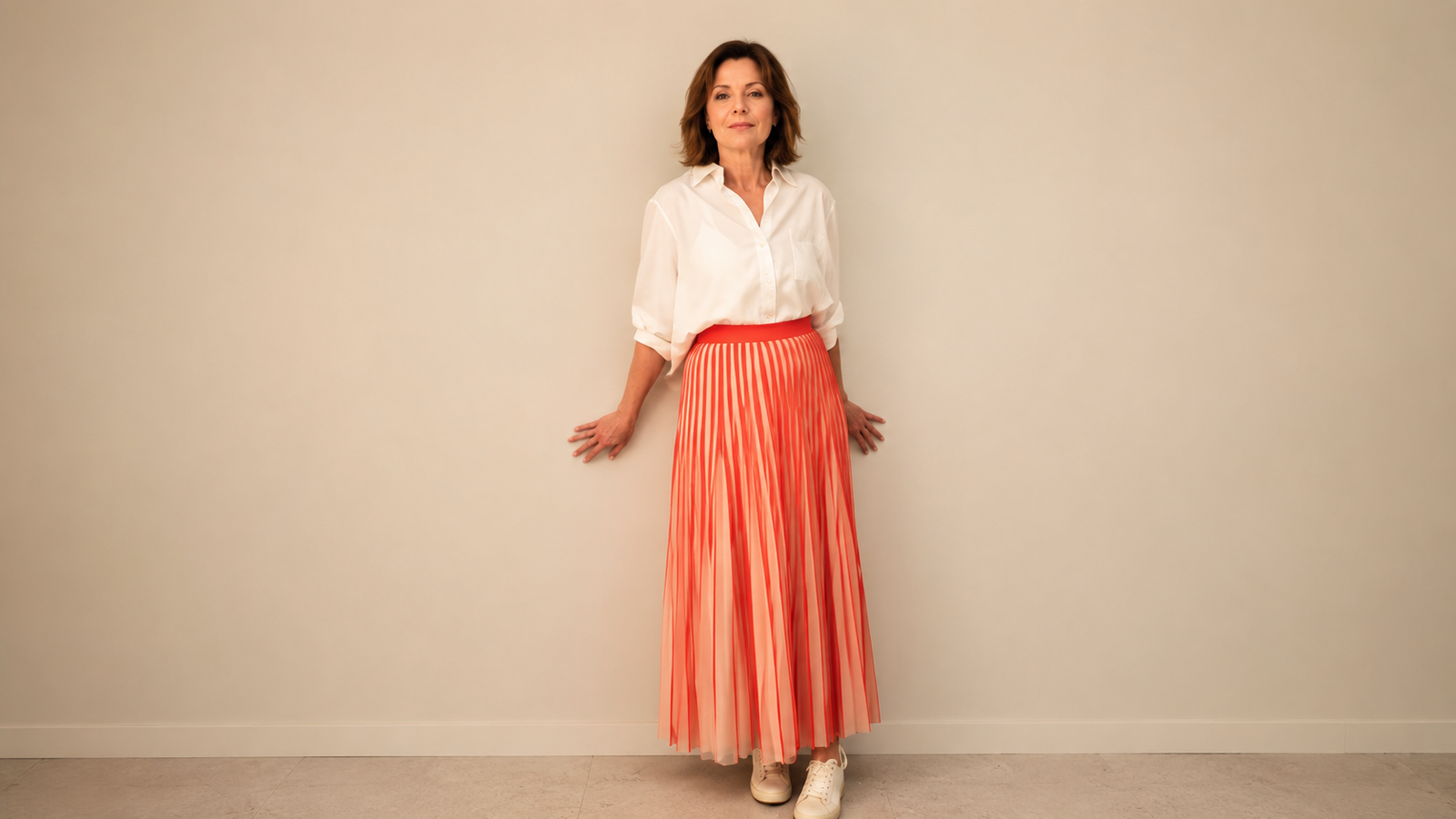
Tiffanie Darke is a British fashion editor, journalist, and sustainability advocate who has become one of the most influential voices in the transformation of modern fashion thinking. Her career spans luxury fashion journalism, editorial leadership, and environmental commentary, making her a unique figure who bridges the gap between high-end fashion media and climate-conscious activism. She is widely recognized for challenging the traditional consumption-heavy model of the fashion industry and encouraging a more mindful, ethical relationship with clothing.
Over time, Tiffanie Darke has evolved from a mainstream fashion editor into a leading voice in sustainable fashion discourse. Her work critiques overproduction, fast fashion culture, and the environmental consequences of global clothing supply chains. She is especially known for her “Rule of Five” concept, which promotes minimal and intentional clothing purchases. Today, she is regarded as a thought leader shaping conversations around circular fashion, conscious consumption, and the future of ethical luxury.
Early Life and Education
Tiffanie Darke grew up in the United Kingdom, where she developed a strong interest in writing, culture, and storytelling. Although detailed public information about her early personal life is limited, her academic path reflects a strong foundation in communication and journalism. From an early stage, she demonstrated curiosity about how media shapes public perception, especially in cultural industries such as fashion and lifestyle reporting.
Her education in journalism provided her with the tools to analyze media narratives and consumer culture critically. This academic background later became essential in her ability to deconstruct the fashion industry’s messaging and marketing systems. Her early exposure to editorial thinking helped her understand how fashion is not only about clothing but also about identity, economics, and cultural expression.
Career in Fashion Journalism
Tiffanie Darke built her career in fashion journalism through years of editorial experience in leading British publications. She quickly rose through the ranks in fashion media due to her ability to combine sharp editorial insight with an understanding of luxury branding. Her early work focused on fashion trends, designer collections, and industry reporting, giving her a front-row seat to the global fashion system.
As her career progressed, she became known for her analytical approach to fashion storytelling. Rather than simply reporting trends, she examined the cultural and economic forces behind them. This positioned her as more than a fashion editor; she became a commentator on consumer behavior and luxury markets, helping readers understand how fashion connects to broader societal systems.
Editorial Work and Financial Times Influence
One of the most significant stages in her career was her editorial involvement with luxury fashion journalism, including contributions to the Financial Times supplement How to Spend It. Through this platform, she explored high-end fashion, luxury lifestyle trends, and global consumer culture. Her work helped shape how affluent audiences understood fashion as both an aesthetic and economic system.
During this period, she gained deep insight into luxury branding and consumer psychology. She observed how aspiration, exclusivity, and storytelling drive fashion consumption at the highest level. This experience later became critical when she shifted her focus toward sustainability, as she understood both the appeal and the consequences of overconsumption in luxury markets.
Transition to Sustainability Advocacy
A turning point in Tiffanie Darke’s career came when she began questioning the environmental impact of the fashion industry she had spent years covering. As awareness of climate change increased globally, she started examining the hidden costs of clothing production, including water consumption, textile waste, and carbon emissions.
This shift led her to move away from traditional fashion journalism toward sustainability-focused writing and advocacy. She began speaking openly about overproduction and the need for systemic change in the fashion industry. Her transformation was not abrupt but gradual, reflecting a deep rethinking of her role as a journalist within a consumption-driven system.
The Rule of Five Philosophy
One of Tiffanie Darke’s most influential contributions is her “Rule of Five” philosophy, which encourages individuals to buy no more than five new clothing items per year. This concept was designed as a practical response to overconsumption and fast fashion culture, offering a realistic framework for reducing environmental impact without eliminating personal style.
The Rule of Five is based on the idea that conscious limitation can lead to creativity and greater appreciation of clothing. Instead of constantly purchasing new items, individuals are encouraged to invest in higher-quality pieces, explore second-hand fashion, and build a more intentional wardrobe. This philosophy has gained traction among sustainability advocates and minimalism enthusiasts worldwide.
Criticism of Fast Fashion and Industry Practices
Tiffanie Darke has been a vocal critic of fast fashion and its environmental consequences. She highlights how mass production models encourage excessive consumption, low-quality garments, and significant textile waste. Her arguments often focus on the structural problems within the industry rather than individual consumer guilt.
She also critiques greenwashing practices, where brands market themselves as sustainable without meaningful environmental changes. According to her perspective, true sustainability requires reducing production volumes and rethinking the entire business model of fashion. This includes addressing labor practices, supply chain transparency, and material sourcing.
Circular Economy and Sustainable Fashion Advocacy
A major part of her work focuses on circular fashion systems and the circular economy model. This approach emphasizes keeping clothing in use for as long as possible through recycling, resale, repair, and redesign. She supports systems that extend the lifecycle of garments rather than discarding them after short use.
She also advocates for regenerative fashion practices, which aim to restore environmental systems rather than simply reduce harm. This includes supporting materials that are biodegradable, renewable, or produced through low-impact methods. Her advocacy connects fashion with broader ecological goals such as reducing carbon emissions and protecting biodiversity.
Writing, Journalism, and Media Contributions
Throughout her career, Tiffanie Darke has contributed to major international publications, offering commentary on fashion, culture, and sustainability. Her writing style combines journalistic clarity with critical analysis, making her work accessible to both industry professionals and general readers.
Her articles often explore the intersection of fashion and environmental responsibility. She writes about consumer behavior, luxury branding, and the cultural meaning of clothing in modern society. Through her media presence, she has helped shift sustainability discussions from niche environmental circles into mainstream fashion journalism.
Public Speaking and Global Influence
Beyond writing, Tiffanie Darke is also an active public speaker at conferences, industry events, and sustainability forums. She regularly discusses topics such as ethical fashion, climate change, and the future of consumption-based economies.
Her influence extends across fashion industry stakeholders, including designers, brands, and policymakers. By speaking at global events, she contributes to shaping conversations about how the fashion industry can transition toward more responsible and sustainable systems.
Personal Philosophy and Conscious Living
Tiffanie Darke promotes a philosophy of conscious living that extends beyond fashion. She encourages individuals to rethink their relationship with material goods and adopt more intentional consumption habits. Her approach emphasizes quality over quantity and long-term value over short-term satisfaction.
This philosophy aligns with broader movements such as minimalism and sustainability activism. She advocates for simplicity, mindfulness, and environmental awareness in everyday life. Her perspective challenges the idea that happiness is linked to constant consumption, instead suggesting that fulfillment can come from restraint and thoughtful choices.
Legacy and Future of Sustainable Fashion
The legacy of Tiffanie Darke lies in her ability to bridge the gap between fashion journalism and environmental activism. She has transformed from a traditional fashion editor into a leading voice in sustainable fashion reform. Her ideas continue to influence discussions about the future of clothing production and consumption.
As sustainability becomes increasingly central to global industry standards, her work is likely to remain highly relevant. Concepts such as the Rule of Five and circular fashion systems are becoming more widely discussed, and her influence continues to shape how both consumers and brands think about fashion’s role in the world.
Conclusion
Tiffanie Darke represents a powerful example of how an insider from the fashion industry can transform into a leading voice for change. Her journey from luxury fashion journalism to sustainability advocacy reflects a deeper shift happening within global fashion culture, where awareness of environmental damage is reshaping how clothing is produced, consumed, and valued.
Her ideas, especially the “Rule of Five,” have challenged the norms of overconsumption and encouraged people to rethink their relationship with clothing. By promoting conscious consumption, circular fashion systems, and ethical responsibility, she has helped bring sustainability from the margins into mainstream fashion conversations. Her influence continues to grow as both consumers and brands face increasing pressure to adopt more responsible practices in a climate-conscious world.